
Geothermal heat from one well — anywhere.
A single-well system that takes energy out of the deep subsurface without producing a drop of water. No aquifer. No second well. No reinjection. Geothermal becomes possible where a conventional doublet is not — for heating, industrial process heat, steam, cooling and desalination.
A doublet needs an aquifer. This does not.
Conventional geothermal energy produces hot water from a permeable layer and pumps it back through a second well. It only works where the subsurface holds enough water and lets it flow, and it stands or falls with reinjection. Most of Europe does not have that subsurface.
The NotusPiD system works differently. Water circulates down and up one borehole, in pressure equilibrium with the formation: nothing is produced from the ground and nothing is injected into it. Heat reaches the well by conduction through the rock and by convection in the water around it, along the full vertical length of the hole. The yield is set by depth, rock temperature and flow rate — not by permeability. That is why the same system works under a sports complex in Belgium and under a process plant in the desert.
One system. Many outputs.
The fluid comes back up warm. What you do with it is an engineering choice, not a property of the source. That is what separates a single-well system from a heat project.
Heating and hot water
Pools, hotels, hospitals, offices, greenhouses, district heat. Straight from the well at 25 to 45 °C, higher with a heat pump.
Industrial process heat
The largest untapped decarbonisation market in Europe. Continuous, weather-independent, produced on the site that consumes it.
Steam
Deeper wells reach hotter rock. Where the formation allows it, the same principle delivers steam for process industry.
Cooling
In summer the loop runs the other way. Free cooling for the building, and the rejected heat is parked in the rock until winter.
Desalination
Thermal desalination runs on exactly this kind of low-grade heat. Fresh water on coasts that have sun and salt but no gas.
Scalable in two directions.
A single well is not a fixed size. It is sized to the demand in front of it — and there are two independent dials.
Couple more wells
Single wells are modular. Couple two, five or twenty of them into one manifold and the installed capacity grows with the site. Every well stands on its own, so there is no minimum field size and no step change in subsurface risk when the project gets bigger. Any energy demand can be met by adding wells.
Match the depth to the demand
The depth of the installed system is a design variable, not a given. Shallower where a low supply temperature is enough, deeper where the process needs more. The demand sets the depth — which also means the capital cost follows the requirement instead of a standard field layout.
Proven at 1,250 metres.
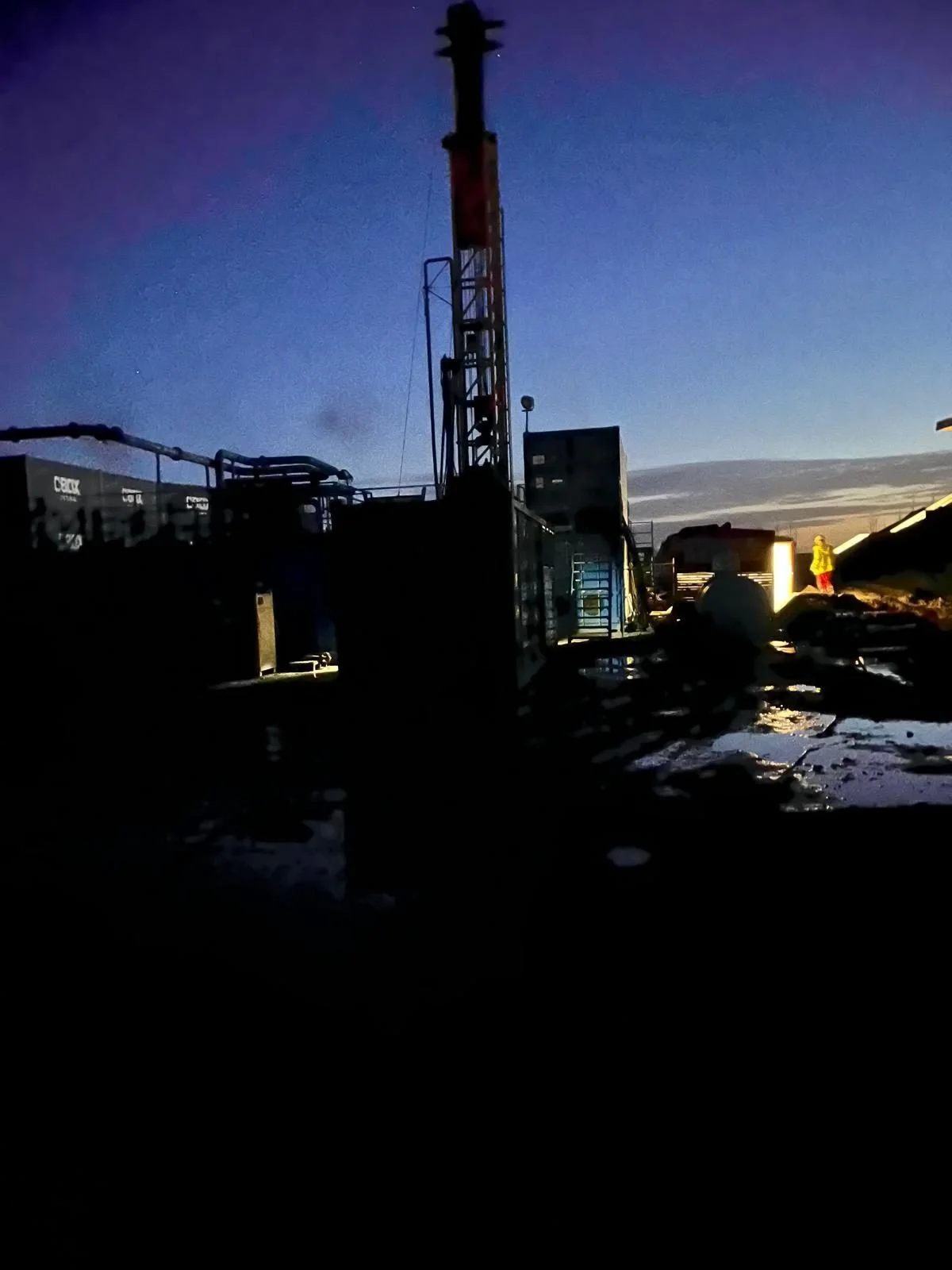
LAGO Bredene Grasduinen, Belgium. One borehole, 1,250 metres deep, drilled non-stop between January and March 2026. It heats the pool, the sports hall and the showers of a complex that is open 360 days a year — in a subsurface that could never have carried a conventional doublet.
1,250 m deep · 235 kW continuous, 500 kW peak · 25–30 °C supply, year round · ± 1,700 MWh a year · 0 m³ gas
Designed, built and delivered by NotusPiD.
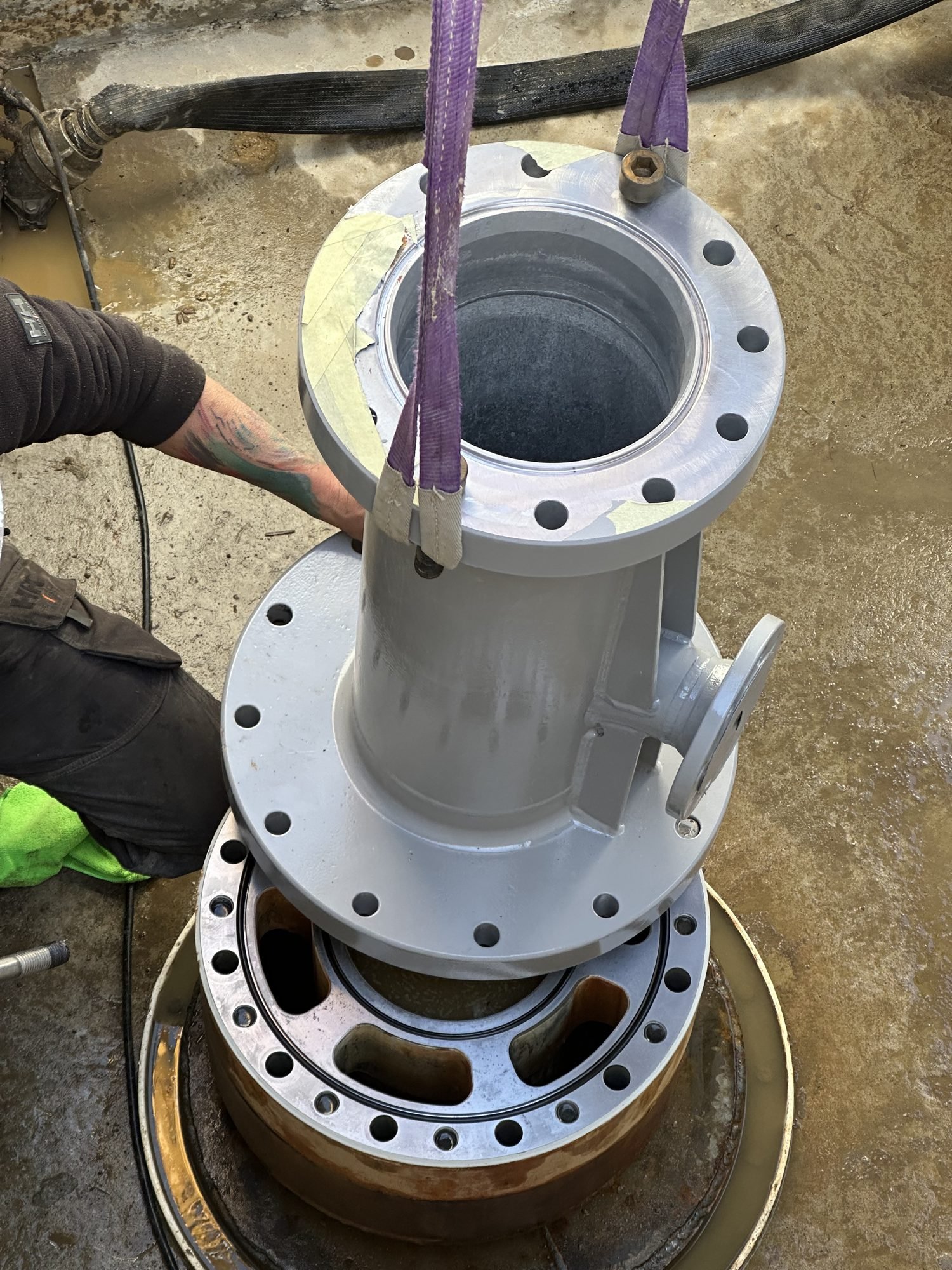
We develop single-well geothermal systems and deliver them as a whole: subsurface and well design, the downhole system, and the connection to the building or the process. At Bredene, Daldrup drilled the well, DMT carried out the measurements and Odfjell supplied the platform for installing the production string. VITO followed the drilling scientifically. LAGO operates the complex.
A site with a heat demand that never stops?
Tell us the location and the load. We will tell you whether one well can carry it and how deep it would have to go.
+31 6 17 95 18 62